Why Classic Planning Fails With a High Number of Variants – and How Intelligent Line Balancing Solves the Problem
Would you like to plan your production line better, optimize cycle times or calculate the capacity utilization of your stations?
Production planning quickly becomes complex, especially in multi-variant assembly lines: work processes, resources, technical dependencies, ergonomics and capacities all have to be taken into account at the same time.
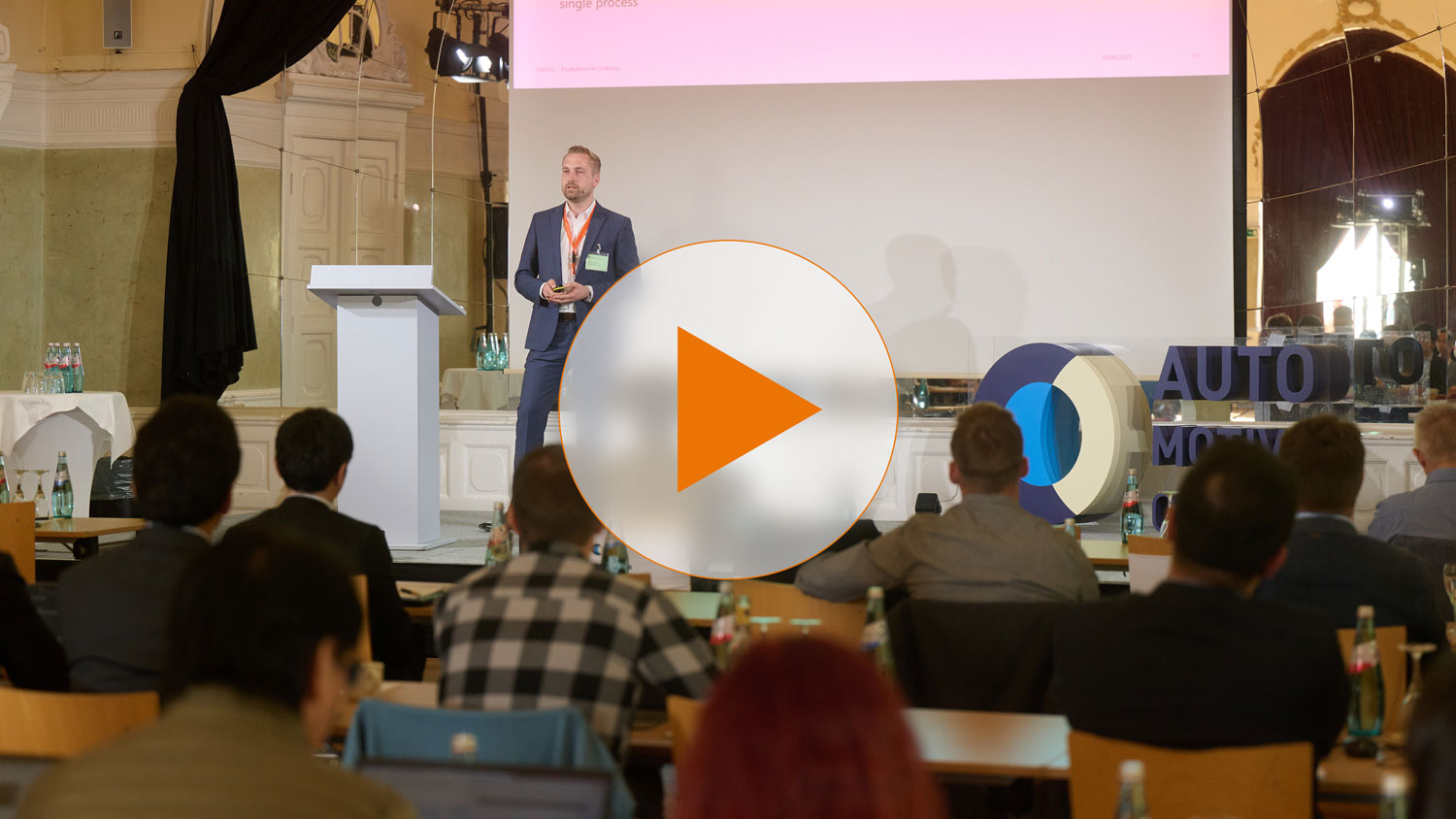
In his presentation, Victor Küpper, Head of Consulting & Services at TAKTIQ, will show how digital production planning and intelligent line balancing make this complexity manageable – with data-based line balancing, Yamazumi analyses and greater transparency for assembly planning, capacity planning and capacity utilization optimization.



























Already benefiting from TAKTIQ
Insights From This Presentation

Understanding the complexity of modern assembly lines
- Why variant diversity increases the number of possible balancing solutions exponentially
- What effects different models and options have on line planning
- Why traditional planning methods quickly reach their limits today

Which data enables realistic line balancing
- Which requirements must be taken into account
- How a structured data model improves the quality of planning and enables simulation

How computers can really speed up planning
- Why powerful calculations are crucial for finding practicable solutions
- How modern optimization methods evaluate thousands of possible changes per second
- How interactive planning and automatic optimization work together effectively


- 20sec – 1h cycle time
- 15 – 1.000 workplaces
- 100 – 2.500.000 tasks
- 10-1027 order variants
Is this presentation relevant to you?
This content is of particular interest to you if you:
- plan multi-variant assembly lines that correspond to the key figures listed here
- Carry out regular line balancing or rescheduling
- want to make planning decisions faster and more informed
- or look for ways to use simulation in your planning
Unlock Lecture,
Save Insights